

































Why Massage Therapy Is a Powerful Solution for Long-Term Pain Relief
Discover how professional massage salons promote long-term pain management by reducing inflammation, improving mobility, and supporting natural healing.

Chronic pain has become one of the most common health challenges in modern life, affecting millions of people worldwide and limiting daily function, productivity, and emotional well-being. Massage salons promote long-term pain management by addressing the root causes of discomfort rather than simply masking symptoms. As more individuals seek natural, drug-free solutions, professional massage therapy is gaining recognition as a sustainable approach to managing persistent pain. From chronic back pain to stress-related muscle tension, massage therapy offers evidence-backed relief that supports the body’s natural healing processes and enhances overall quality of life.
Benefits of Massage Salons for Long-Term Pain Management
1. Reduces Chronic Muscle Tension and Inflammation
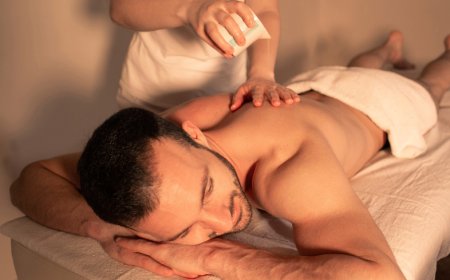
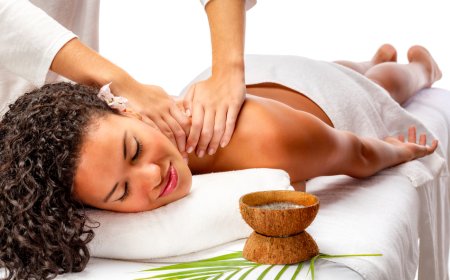
One of the most significant benefits of massage salons in long-term pain management is their ability to reduce chronic muscle tension and inflammation. Persistent pain often develops when muscles remain tight for extended periods, restricting blood flow and causing inflammation around joints and nerves. Skilled massage therapists use techniques such as deep tissue massage and myofascial release to loosen tight muscles, improve circulation, and reduce inflammatory responses.
Research from the National Institutes of Health (NIH) shows that massage therapy can significantly reduce inflammation markers while improving muscle recovery and pain perception. By enhancing blood and lymphatic flow, massage helps flush out metabolic waste that contributes to pain and stiffness. This natural process supports long-term relief rather than temporary comfort.
If you’re experiencing ongoing neck or back pain, this detailed guide on how massage therapy heals chronic back and neck pain naturally explains how targeted techniques can deliver lasting results while restoring mobility and comfort.
2. Improves Joint Mobility and Postural Alignment
Limited joint mobility and poor posture are major contributors to chronic pain, especially in the back, shoulders, and hips. Massage salons promote long-term pain management by addressing muscular imbalances that pull joints out of alignment. Over time, this imbalance can lead to joint degeneration, nerve compression, and persistent discomfort.


Therapeutic massage improves flexibility by lengthening shortened muscles and releasing connective tissue restrictions. According to Harvard Health Publishing, massage therapy enhances joint range of motion and reduces stiffness, particularly for individuals with arthritis or repetitive strain injuries. Improved posture also reduces unnecessary strain on the spine and surrounding muscles, preventing pain from recurring.
Regular sessions in professional massage salons help retrain the body into healthier movement patterns, making pain management more sustainable in the long run.
3. Supports Nervous System Regulation and Pain Perception
Chronic pain is not only a physical issue—it is deeply connected to the nervous system. When the body remains in a constant state of stress, the nervous system becomes hypersensitive, amplifying pain signals. Massage salons play a vital role in long-term pain management by calming the nervous system and reducing stress hormone levels.
Massage therapy activates the parasympathetic nervous system, which is responsible for rest and recovery. Studies cited by the Mayo Clinic confirm that massage reduces cortisol levels while increasing serotonin and dopamine, neurotransmitters that help regulate mood and pain perception. This shift helps the body respond more calmly to discomfort and prevents pain from escalating.
By addressing both physical tension and neurological stress, massage therapy offers a comprehensive approach to long-term pain relief.


4. Enhances Circulation and Accelerates Natural Healing
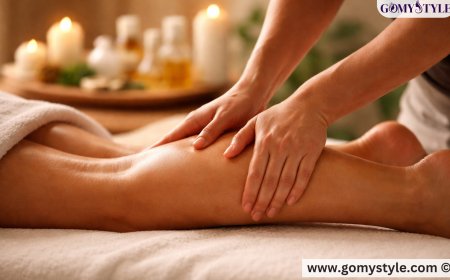
Poor circulation is a common but often overlooked contributor to chronic pain. When tissues don’t receive enough oxygen and nutrients, healing slows, and pain persists. Massage salons promote long-term pain management by stimulating blood flow and enhancing oxygen delivery to affected areas.
Improved circulation accelerates tissue repair, reduces swelling, and promotes faster recovery from injuries. The Cleveland Clinic highlights that massage therapy improves vascular function, which is especially beneficial for individuals recovering from musculoskeletal injuries or living with chronic pain conditions.
Over time, better circulation ensures that the body heals more efficiently, reducing dependency on pain medications and invasive treatments.
5. Provides a Personalized, Holistic Pain Management Approach
Unlike one-size-fits-all treatments, massage salons offer personalized care tailored to each individual’s pain patterns and lifestyle. Licensed therapists assess posture, muscle tension, movement limitations, and pain triggers before designing a customized treatment plan. This individualized approach makes massage therapy particularly effective for long-term pain management.
Different massage techniques serve different needs. For example, sports massage targets repetitive strain injuries, while Swedish massage focuses on relaxation and circulation. If you’re unsure which approach suits your body, this helpful guide on choosing the right massage for your body’s needs offers valuable insights into selecting the most effective therapy for lasting relief.
By adapting treatment plans as your body changes, massage salons ensure continued progress rather than plateaued results.
Practical Steps to Use Massage Salons for Long-Term Pain Management
Step 1: Identify the Root Cause of Your Pain
Before starting massage therapy, it’s important to understand where your pain originates. Chronic pain can stem from poor posture, old injuries, repetitive movements, or stress-related tension. Consulting with a licensed massage therapist allows for a professional assessment that identifies contributing factors rather than just symptoms.
Healthcare providers like the World Health Organization (WHO) emphasize integrated care approaches that combine physical therapy, lifestyle adjustments, and complementary treatments such as massage for effective pain management.
Step 2: Choose the Right Massage Technique
Not all massages deliver the same benefits. Selecting the correct technique is essential for long-term pain management. Deep tissue massage works well for chronic muscle knots, while trigger point therapy targets specific pain referral areas. For stress-related pain, relaxation-focused massages can help regulate the nervous system.
Your therapist may adjust pressure and techniques over time as your pain improves, ensuring consistent progress without overstimulation or discomfort.
Step 3: Commit to a Consistent Treatment Schedule
Consistency is key when using massage salons for long-term pain management. While a single session can provide temporary relief, regular treatments help retrain muscles, improve posture, and reduce inflammation over time. Many experts recommend bi-weekly or monthly sessions depending on pain severity.
According to Johns Hopkins Medicine, regular massage therapy is most effective when combined with healthy movement, hydration, and stress management practices.
Step 4: Combine Massage with Lifestyle Adjustments
Massage therapy works best when paired with supportive lifestyle changes. Stretching, ergonomic improvements, hydration, and proper sleep significantly enhance results. Massage therapists often provide personalized aftercare advice to prevent pain from returning between sessions.
By adopting these complementary habits, clients experience longer-lasting relief and improved overall well-being.
Step 5: Monitor Progress and Adjust Treatment Plans
Long-term pain management is an evolving process. Regularly tracking improvements in mobility, pain levels, and daily comfort helps therapists refine treatment strategies. Open communication ensures sessions remain effective and aligned with your goals.
Massage salons that prioritize client feedback create adaptive care plans that support sustainable pain relief.
Massage salons play a powerful role in promoting long-term pain management by addressing muscle tension, improving circulation, calming the nervous system, and supporting natural healing. Unlike short-term solutions, massage therapy offers a holistic, personalized approach that evolves with your body’s needs. When combined with consistency and healthy lifestyle habits, massage can significantly reduce chronic pain and enhance quality of life.
If you’re exploring the right therapy for your body, don’t miss this in-depth guide on which massage is right for you and what your body has been asking for to continue your wellness journey.
Ready to experience lasting pain relief?
Explore more expert-backed wellness blogs on GoMyStyle, book a professional massage session, or subscribe for trusted self-care insights designed to help you live pain-free—naturally.
What's Your Reaction?