













Struggling With Poor Circulation? Try These Powerful Massage Technique
Discover effective massage techniques that improve blood circulation, boost energy, reduce pain, and support overall wellness naturally.
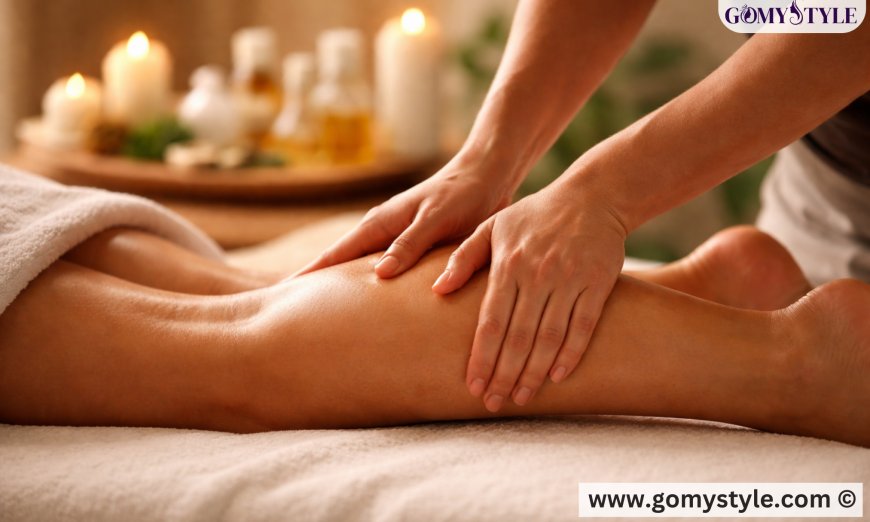
Massage techniques that help improve blood circulation are more than just relaxing rituals—they’re powerful tools for total-body wellness. In today’s fast-paced world, where long hours of sitting, stress, and digital overload dominate our routines, poor circulation has quietly become a common issue. From cold hands and feet to fatigue and muscle stiffness, restricted blood flow affects how we feel every day. The good news? Targeted massage therapy can naturally stimulate circulation, helping your body deliver oxygen and nutrients more efficiently while removing waste toxins.
Let’s explore how specific massage techniques enhance circulation and why they deserve a regular place in your wellness routine.
Benefits of Massage Techniques That Improve Blood Circulation
1. Enhanced Oxygen and Nutrient Delivery
One of the primary benefits of circulation-boosting massage techniques is improved oxygen flow throughout the body. When muscles and tissues receive adequate oxygen and nutrients, they function more efficiently and recover faster.
Techniques like Swedish massage use long, gliding strokes that follow the direction of blood toward the heart. This movement supports venous return, meaning it helps blood flow back to the heart more effectively. As a result, your body feels energized rather than drained after a session.
Better oxygenation also promotes healthier skin tone and faster healing of minor muscle strains or soreness.


2. Reduced Muscle Tension and Pain
Poor circulation often contributes to muscle tightness and chronic discomfort. When blood flow is restricted, metabolic waste can accumulate in muscle tissues, leading to inflammation and pain.
Deep tissue massage targets deeper muscle layers, releasing tension and encouraging fresh blood flow into stiff areas. Increased circulation helps flush out lactic acid and toxins, easing soreness naturally.
If you're dealing with ongoing discomfort, you may find it helpful to explore how massage supports long-term recovery. Our detailed guide on why massage therapy is a powerful solution for long-term pain relief explains how consistent sessions promote sustainable healing.
3. Improved Lymphatic Drainage
While blood circulation is essential, lymphatic circulation is equally important. The lymphatic system helps remove toxins, waste, and excess fluid from the body. Unlike the heart-driven blood system, lymph relies heavily on movement and manual stimulation.
Lymphatic drainage massage uses gentle, rhythmic strokes to stimulate lymph flow. This not only reduces swelling but also enhances immune function. According to various wellness experts, improving lymph flow plays a significant role in overall detoxification and recovery.


When both blood and lymph circulation improve together, your body feels lighter, less inflamed, and more balanced.
4. Increased Energy and Mental Clarity
Have you ever noticed feeling refreshed after a massage? That’s circulation at work. When blood flows efficiently, your brain receives more oxygen, which enhances focus and mental clarity.
Massage therapy also reduces stress hormones like cortisol while increasing serotonin and dopamine. This hormonal shift further supports improved circulation and mental wellness.
If you're interested in restoring both physical and energetic balance, consider reading about how therapeutic massage restores balance and energy and how it integrates body and mind healing.
5. Support for Cardiovascular Health
Although massage is not a replacement for exercise, it can complement cardiovascular wellness. Gentle pressure applied in rhythmic movements encourages blood vessel dilation, improving flow efficiency.
Experts in lifestyle wellness emphasize that healthy circulation is closely tied to daily habits—movement, hydration, posture, and stress management all matter. Just as grooming advice from trusted sources like Art of Manliness highlights how small, practical adjustments improve appearance and confidence, simple wellness habits like regular massage can significantly improve internal health over time. Consistency is key. Even one session per month can positively impact circulation and overall vitality.
Practical Steps: How to Use Massage to Improve Blood Circulation
You don’t always need a spa appointment to start supporting healthy blood flow. Here’s a simple step-by-step guide to incorporate circulation-boosting massage techniques into your routine:
Step 1: Start with Warm-Up Movements
Before applying pressure, gently warm the muscles. Use light strokes with your palms along arms and legs, moving toward the heart. This prepares the tissues and increases surface-level blood flow.
Tip: Always move upward when massaging limbs to support venous return.
Step 2: Use Long, Flowing Strokes (Effleurage Technique)
Effleurage involves smooth, gliding strokes. Apply moderate pressure using your entire palm. This technique:
-
Encourages blood movement
-
Relaxes muscle fibers
-
Promotes overall circulation
Spend at least 5–10 minutes per area.
Step 3: Apply Gentle Kneading (Petrissage)
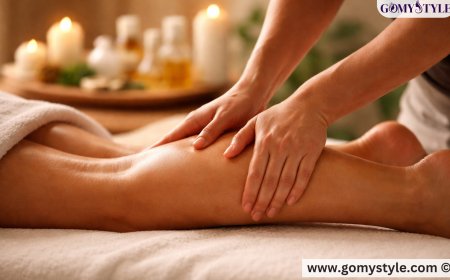
Kneading motions lift and compress muscles, stimulating deeper circulation. Use your thumbs and fingers to gently squeeze and roll muscle tissue.
This technique is particularly effective for:
-
Calves
-
Shoulders
-
Lower back
Avoid applying excessive pressure that causes pain.
Step 4: Focus on Problem Areas
If you experience cold hands or feet, dedicate extra time to these areas. Circular thumb movements around joints help stimulate capillaries and improve local circulation. Remember, consistency is more important than intensity.
Step 5: Stay Hydrated After Massage
Hydration helps your body flush out toxins released during massage. Drinking water supports both blood and lymph circulation.
Lifestyle experts often emphasize small, supportive habits—hydration, posture correction, and regular movement—all of which complement massage therapy’s benefits.
Step 6: Consider Professional Sessions
While self-massage is beneficial, professional therapists are trained to apply targeted techniques safely and effectively. They can assess muscle tension patterns and customize pressure levels to maximize circulation without causing strain. A certified therapist ensures you receive therapeutic benefits tailored to your body’s needs.
Massage techniques that help improve blood circulation offer far more than temporary relaxation. They enhance oxygen delivery, reduce muscle tension, stimulate lymphatic flow, boost energy, and support long-term cardiovascular wellness. In a world where sedentary habits and stress are common, prioritizing circulation is essential for maintaining vitality.
If you’re ready to experience deeper balance and energy restoration, explore our guide on how therapeutic massage restores balance and energy and discover how consistent therapy can transform your wellness routine.
Have you tried massage specifically to improve circulation? Share your experience in the comments—or book your next session and feel the difference firsthand. Your body will thank you.
What's Your Reaction?