

















Heat Styling Every Day? These Tips Will Save Your Hair From Damage
Learn how to protect your hair from heat styling damage with expert tips, proven benefits, and step-by-step care to keep your hair healthy and strong.
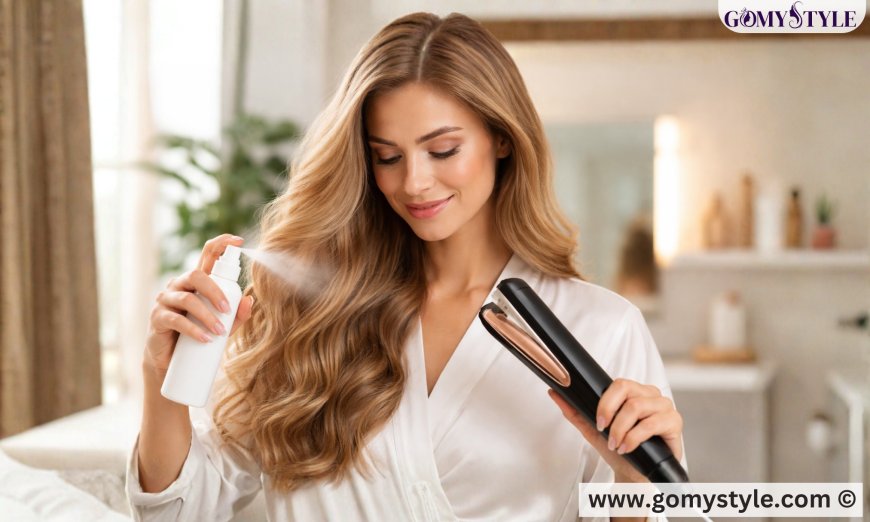
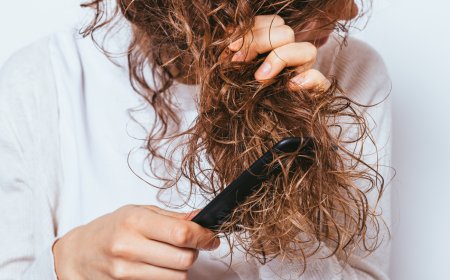
Heat styling has become a daily habit for many of us—whether it’s straightening before work, curling for an event, or blow-drying in a rush. But frequent exposure to high temperatures can silently weaken your hair over time. Learning how to protect your hair from heat styling damage is essential in today’s beauty routines, especially as styling tools continue to reach higher temperatures. Without proper care, heat can strip moisture, weaken the hair shaft, and lead to breakage and dullness. The good news? With the right techniques and preventive steps, you can enjoy styled hair without sacrificing its health.
Benefits of Protecting Your Hair From Heat Styling Damage
1. Prevents Hair Breakage and Split Ends
One of the biggest benefits of protecting your hair from heat damage is minimizing breakage and split ends. Excessive heat weakens the hair’s protein structure, making strands more fragile and prone to snapping. Over time, this leads to uneven lengths and thinning ends.
By using heat protectants and limiting heat exposure, you help maintain the hair’s internal strength. According to the American Academy of Dermatology (AAD), excessive heat can permanently damage the hair cuticle, making prevention far easier than repair . If you’re already dealing with fragile strands after salon treatments, these proven tips to avoid hair breakage after any salon treatment can help restore resilience while preventing further damage.
2. Retains Natural Moisture and Shine
Heat tools evaporate moisture from the hair shaft, leaving hair dry, brittle, and lifeless. Protecting your hair from heat damage helps preserve its natural oils, which are responsible for softness and shine.
When moisture levels are balanced, hair reflects light better—giving you that healthy glow without relying on serums or sprays. Using heat protection consistently allows your hair to stay hydrated even with occasional styling. Health experts at Healthline emphasize that chronic heat exposure disrupts moisture balance, leading to long-term dryness and frizz .


3. Supports Long-Term Hair Growth
Heat-damaged hair often breaks faster than it grows, making length retention difficult. Protecting your hair ensures that strands remain strong from root to tip, allowing you to actually see progress in hair growth.
Strong, healthy hair doesn’t just depend on products—it depends on how gently you treat it daily. Reducing heat damage means fewer trims, less shedding, and visibly thicker hair over time. When paired with smart post-styling care, your hair can thrive even in challenging conditions.
4. Improves Styling Results Without Overprocessing
Ironically, damaged hair often requires more heat to style, creating a harmful cycle. When hair is healthy, it responds better to lower temperatures and holds styles longer.
Protecting your hair allows you to achieve smoother, longer-lasting results with minimal heat. This means less time styling, fewer touch-ups, and better overall hair texture. Understanding how environmental factors also affect your hair is equally important—especially when combined with heat styling, as explained in these seasonal hair care truths revealed.
5. Saves Time and Money on Hair Repairs
Frequent salon treatments, deep conditioning masks, and trims can add up quickly. One often-overlooked benefit of heat protection is cost efficiency. When your hair stays healthy, you spend less on corrective treatments and emergency repairs.


Preventive care is always more affordable—and effective—than damage control. By adopting heat-safe habits now, you protect both your hair and your budget in the long run.
Practical Steps to Protect Your Hair From Heat Styling Damage
Step 1: Always Use a Heat Protectant
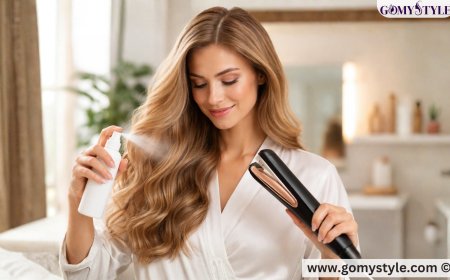
A heat protectant is your first line of defense against styling damage. These products create a barrier between your hair and the heat source, reducing moisture loss and protein breakdown.
Apply evenly to damp or dry hair before using any heat tool. Make sure the product is designed for your hair type—fine, thick, curly, or chemically treated. Dermatologists consistently recommend heat protectants as a non-negotiable step for frequent stylers .
Step 2: Control the Temperature
More heat does not equal better results. Most hair types can be styled effectively between 300°F and 350°F. Fine or damaged hair should stay even lower.
Avoid maxing out your styling tools unless absolutely necessary. High temperatures cause irreversible changes to hair structure, leading to chronic damage. Choosing tools with adjustable heat settings gives you better control and safer styling.
Step 3: Limit Heat Styling Frequency
Even with protection, daily heat styling increases the risk of damage. Give your hair regular heat-free days to recover and rebalance moisture.
Try air-drying when possible or explore heatless styling methods like braids, rollers, or wraps. Reducing frequency alone can significantly improve hair texture and strength within weeks.
Step 4: Start With Completely Dry Hair
Using flat irons or curling tools on damp hair is one of the fastest ways to cause damage. Wet hair is more elastic and vulnerable, making it prone to snapping under high heat.
Always ensure hair is 100% dry before using hot tools. If blow-drying, use a medium heat setting and keep the dryer moving to prevent concentrated heat exposure.
Step 5: Maintain a Strong Hair Care Routine
Healthy hair withstands heat better. Use moisturizing shampoos, deep conditioners, and weekly masks to reinforce your hair’s structure.
Regular trims also help remove weakened ends before they split further. Pairing heat protection with proper maintenance creates a strong foundation that minimizes damage over time.
Step 6: Be Mindful of Environmental Stressors
Heat damage doesn’t happen in isolation. Weather conditions like extreme cold, humidity, or sun exposure can worsen the effects of heat styling.
Adjust your routine based on the season and environment. Understanding how weather impacts your hair—alongside heat styling—helps you take a more holistic approach to hair health.
Learning how to protect your hair from heat styling damage is one of the smartest investments you can make in your beauty routine. From preventing breakage and dryness to improving long-term growth and saving on repairs, the benefits are undeniable. With the right tools, temperatures, and care habits, you can enjoy styled hair without compromising its health.
For a deeper understanding of how external factors impact hair strength, don’t miss these seasonal hair care truths that reveal how weather affects your hair.
Have a favorite heat-free styling trick or a go-to protectant? Share your thoughts in the comments, explore more expert hair care blogs on GoMyStyle, and subscribe for weekly beauty insights you can trust.
What's Your Reaction?