
































Which Massage Is Better for You—Deep Tissue or Relaxation?
Deep tissue vs relaxation massage—discover key benefits, differences, and which massage suits your needs for pain relief, stress reduction, and wellness.
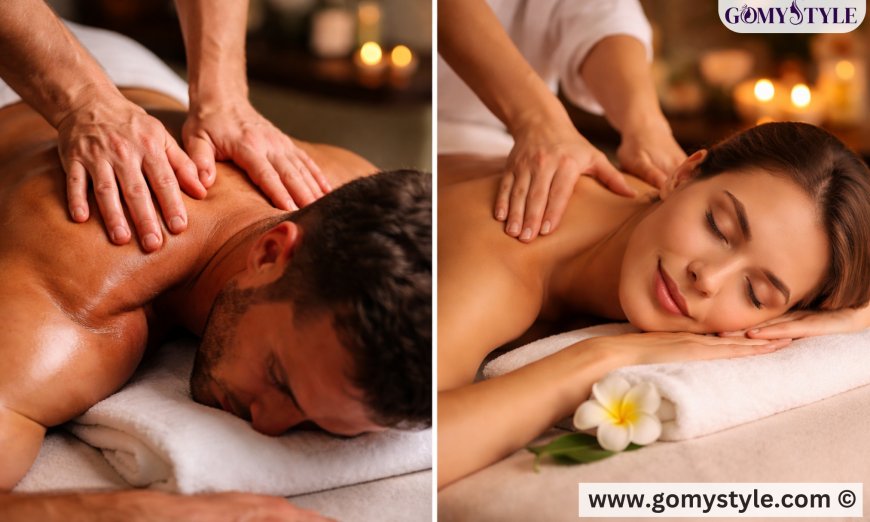
Choosing between deep tissue vs relaxation massage can feel confusing—especially when both promise relief and relaxation. With stress levels rising and more people seeking holistic wellness solutions, understanding the difference between these two popular massage styles is more important than ever. While one focuses on relieving chronic tension and muscle pain, the other is designed to calm the mind and gently soothe the body.
In this guide, we’ll break down the benefits of each, help you understand who they’re best suited for, and give you practical steps to decide which massage you should book next.
Benefits of Deep Tissue vs. Relaxation Massage
Both massage types offer powerful wellness advantages. The key difference lies in their technique, pressure, and intended outcome. Let’s explore their specific benefits.
1. Targeted Pain Relief vs. Gentle Stress Reduction
Deep tissue massage focuses on the deeper layers of muscles and connective tissues. It uses slow, firm pressure to release chronic tension, break up scar tissue, and reduce inflammation. This technique is especially beneficial for athletes, individuals with chronic back pain, or those recovering from injury.
According to the Mayo Clinic, massage therapy can help relieve muscle tension and improve circulation, contributing to pain reduction and faster recovery. Deep tissue massage is often recommended for conditions like sciatica, stiff neck, and repetitive strain injuries.


On the other hand, relaxation massage (often associated with Swedish-style techniques) focuses on long, flowing strokes and lighter pressure. Its main goal is to calm the nervous system, improve circulation, and promote full-body relaxation.
If you're unsure how deep tissue compares specifically to Swedish techniques, you can explore this detailed guide on deep tissue vs Swedish massage differences.
2. Improved Mobility vs. Mental Clarity
Deep tissue massage works by releasing tight muscle fibers and improving flexibility. Over time, it can enhance mobility and posture. For those who sit long hours or experience stiffness from workouts, this therapy can restore range of motion and reduce discomfort.
Relaxation massage, however, offers remarkable mental benefits. The gentle rhythm of strokes stimulates the parasympathetic nervous system—your body’s “rest and digest” mode. This leads to improved sleep, reduced anxiety, and mental clarity.
The American Massage Therapy Association highlights that massage therapy can significantly reduce stress hormones while increasing serotonin and dopamine levels—helping clients feel emotionally balanced and rejuvenated.


3. Long-Term Muscle Recovery vs. Immediate Calm
Deep tissue massage often delivers cumulative benefits. While you may feel slight soreness afterward, the long-term improvement in muscle function and reduced inflammation can be significant. It’s particularly effective when included in a consistent wellness routine.
In fact, massage therapy is widely recognized as a powerful tool for chronic pain management. If pain relief is your primary goal, this article on why massage therapy supports long-term pain relief provides deeper insights.
Relaxation massage, on the other hand, provides immediate emotional and physical relief. It’s ideal before a vacation, after a stressful week, or whenever you simply need to unwind without discomfort.
4. Who Should Book Deep Tissue Massage?
Deep tissue massage may be ideal if you:
-
Experience chronic muscle pain
-
Have limited mobility
-
Recover from sports injuries
-
Sit for long hours at work
-
Prefer firm pressure
It is a therapeutic approach aimed at correction and long-term muscle health.
5. Who Should Book Relaxation Massage?
Relaxation massage may be perfect if you:
-
Feel mentally exhausted
-
Experience high stress or anxiety
-
Have trouble sleeping
-
Want gentle pressure
-
Simply want to unwind
It prioritizes emotional balance and overall relaxation rather than intensive muscle work.
Practical Steps to Choose the Right Massage
Still unsure which massage to book? Follow these simple steps to decide.
Step 1: Identify Your Primary Goal
Ask yourself:
-
Do I want pain relief or stress relief?
-
Is my discomfort physical or mental?
If your goal is to address chronic tension or specific muscle pain, deep tissue may be the better option. If your aim is relaxation and mental calm, choose a relaxation massage.
Step 2: Assess Your Pain Tolerance
Deep tissue massage involves firm, sometimes intense pressure. Mild soreness afterward is common. If you prefer a soothing, gentle experience, relaxation massage is the safer choice.
Step 3: Consider Your Lifestyle
Athletes and physically active individuals often benefit more from deep tissue sessions. Professionals dealing with burnout, long meetings, or emotional stress may gain more from relaxation massage.
Step 4: Consult a Licensed Massage Therapist
Professional guidance can make a huge difference. A qualified therapist can evaluate muscle tension, posture, and stress levels to recommend the right technique.
The National Center for Complementary and Integrative Health suggests discussing health conditions with healthcare providers before starting new complementary therapies, especially if you have medical concerns.
Step 5: Try Both and Observe
Sometimes the best way to decide is through experience. Try each style at least once and observe how your body responds over the next 48 hours.
-
Did your pain reduce?
-
Did your stress levels drop?
-
Did you sleep better?
Your body’s response will guide your future bookings.
Conclusion: Deep Tissue or Relaxation—What’s Right for You?
When it comes to deep tissue vs relaxation massage, there’s no one-size-fits-all answer. Deep tissue massage is powerful for chronic tension, injury recovery, and long-term muscle health. Relaxation massage is ideal for stress relief, mental clarity, and overall wellness.
Your choice ultimately depends on your personal goals—whether you’re seeking therapeutic correction or pure relaxation.
If you’re still exploring massage options, don’t miss our comprehensive guide on deep tissue vs Swedish massage to understand technique differences more deeply.
Ready to prioritize your wellness? Book your next massage session, explore more expert-backed blogs on Gomystyle, and take the first step toward a healthier, stress-free life today.
What's Your Reaction?