































Microneedling vs. Chemical Peels: Which One Will Transform Your Skin Faster?
Confused between microneedling and chemical peels? Discover which treatment suits your skin type, concerns, and goals with our expert comparison and guide.
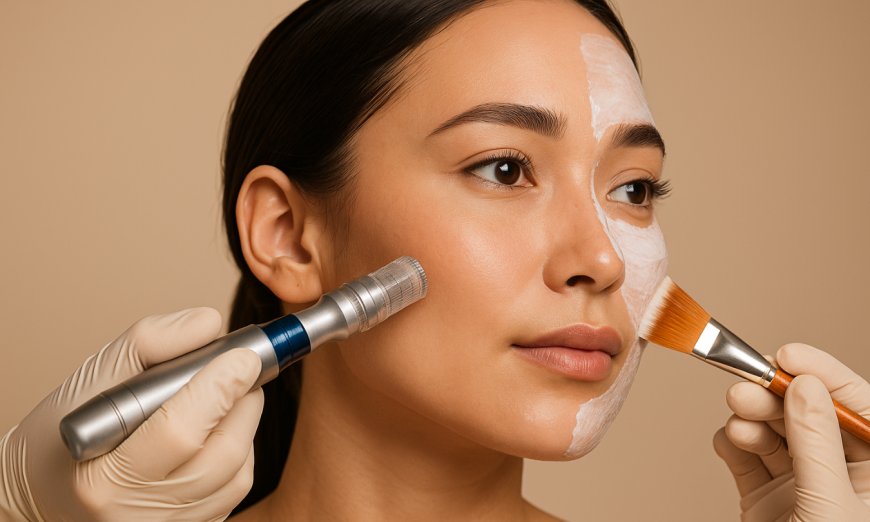
Are you torn between chemical peels and microneedling for your next skincare treatment? You're not alone. With so many advanced facial treatments available today, choosing the right one for your skin concerns can feel overwhelming. Thankfully, understanding the core benefits of each can help guide you in the right direction. In this post, we’ll break down chemical peels vs. microneedling—helping you determine which option suits your skin goals best.
Benefits of Chemical Peels vs. Microneedling
Both treatments are excellent non-surgical options for skin rejuvenation, but they serve different purposes and come with unique advantages. Here's a closer look at how each treatment can benefit your skin:
1. Boosting Collagen Production and Skin Elasticity
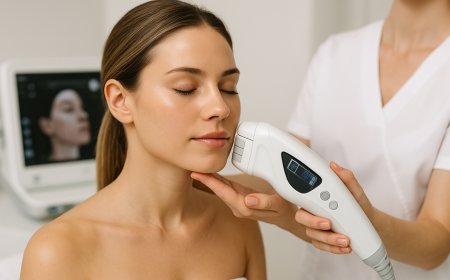
Microneedling uses tiny needles to create micro-injuries in the skin, triggering the body’s natural healing process. This leads to increased collagen and elastin production, which improves skin firmness and reduces the appearance of fine lines and wrinkles. As noted by Dr. Sapadin's dermatology blog, microneedling can be especially effective for aging or sun-damaged skin.
On the other hand, chemical peels work by exfoliating the skin using a chemical solution, removing dead skin layers and revealing fresh, new skin underneath. While they do not directly stimulate collagen as deeply as microneedling, deeper peels can enhance cell turnover and improve skin texture over time. Looking for non-invasive anti-aging solutions? Read our full guide on modern skin care trends at GoMyStyle.com.
2. Treating Acne Scars and Hyperpigmentation
If you’re battling acne scars or dark spots, microneedling is a powerful option. By promoting new skin growth, it helps smooth out scarred areas and reduce pigmentation irregularities over time. When combined with serums like hyaluronic acid or vitamin C, its efficacy increases further.


Chemical peels, especially medium and deep peels, also work wonders on hyperpigmentation and acne marks. Glycolic acid peels are particularly popular for brightening uneven skin tone. However, microneedling may have an edge when it comes to treating deeper scars and long-term discoloration.
3. Minimal Downtime and Suitability for All Skin Types
Microneedling typically involves minimal downtime—most people experience redness for 24-48 hours. Since it doesn’t involve acids, it’s considered safer for darker skin tones, which are more prone to hyperpigmentation from chemical peels.
Chemical peels, depending on their intensity (light, medium, or deep), may cause redness, peeling, and flaking for up to a week. Light peels offer quicker recovery, but deep peels may require up to 10 days of downtime. If you're looking for something with less recovery time, microneedling may be the better choice.
4. Cost and Long-Term Results
The cost for both treatments can vary based on the clinic and treatment depth. Generally, chemical peels are more affordable upfront, especially for light treatments. Microneedling might cost more, but it offers long-lasting results with fewer sessions in many cases.
You can read a detailed comparison of treatment benefits and costs on Venice Ave Dermatology’s official blog.


Practical Guide: How to Choose the Right Treatment
Still unsure which to choose? Here's a practical step-by-step guide to help you decide based on your skin type, concern, and lifestyle:
Step 1: Identify Your Skin Goals
-
Want to reduce wrinkles and sagging? → Choose microneedling
-
Looking to brighten dull skin or tackle melasma? → Opt for a chemical peel
-
Need to treat acne scars? → Start with microneedling
Step 2: Know Your Skin Type
-
Sensitive or darker skin tones? → Go for microneedling (lower risk of hyperpigmentation)
-
Oily, acne-prone skin? → Light or salicylic acid-based chemical peels may work better
Step 3: Consider Downtime and Budget
-
Short on time or need a no-downtime option? → Microneedling
-
Want a quick refresh before an event? → Try a light chemical peel
Step 4: Consult a Professional
Before making any decision, always consult a licensed dermatologist or aesthetician. They can assess your skin’s condition and suggest the ideal treatment plan based on your concerns.
For a deeper dive into how microneedling works, read this expert guide on Venice Ave Derm, which explores clinical outcomes and skin health benefits.
Both chemical peels and microneedling offer incredible benefits—but the right choice depends on your unique skin type, goals, and lifestyle. While microneedling excels at deep rejuvenation and scar treatment, chemical peels offer surface-level renewal and brightness.
Want to learn more about skin-safe products or daily skincare rituals to extend your glow? Check out our guide on daily skin maintenance and beauty trends at GoMyStyle.com.
Ready to level up your skincare game? Book a consultation, leave your thoughts in the comments, or explore more beauty and skincare tips on our blog. Your best skin is just a click away!
What's Your Reaction?