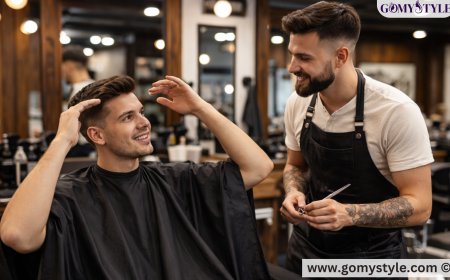
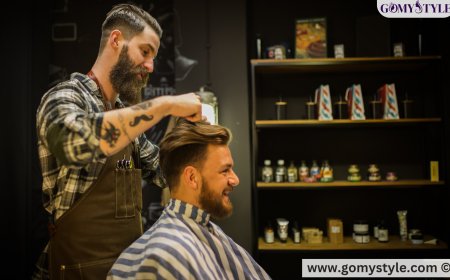
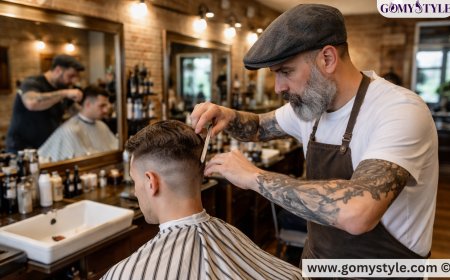
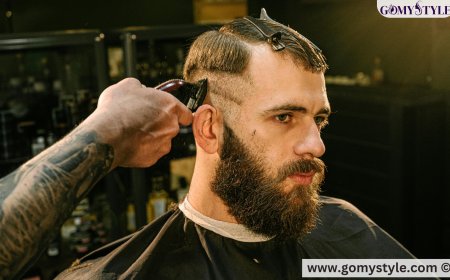
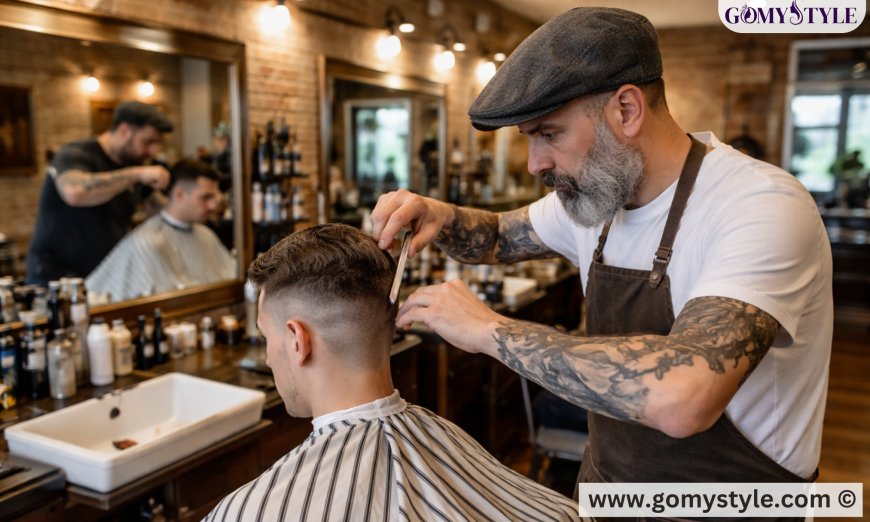
How barbers are blending old-school techniques with modern styles is redefining men’s grooming in 2026. Step into a barbershop today and you’ll see straight razors beside cordless clippers, hot towels paired with skin fades, and pompadours shaped with precision fades. It’s not nostalgia—it’s evolution. Traditional barbering techniques bring craftsmanship and authenticity, while modern styles deliver versatility and trend-driven looks. This fusion isn’t just about haircuts; it’s about experience, identity, and quality. Let’s explore why this blend matters and how it’s shaping the future of men’s style.
Significance of Blending Old-School and Modern Barbering
Craftsmanship Meets Innovation
Old-school barbering emphasizes detail—straight razor shaves, scissor-over-comb cutting, and hot towel treatments. These techniques require patience and mastery. According to the National Association of Barbers, traditional methods help preserve the artistry and professional standards of the industry.
Modern barbering, on the other hand, integrates tools like precision trimmers, advanced fading techniques, and texture-focused styling. When combined, clients receive cuts that are technically superior and visually current. If you’re curious about how innovation is transforming the industry, explore our detailed guide on modern barbering techniques that are completely changing men’s grooming.
Elevated Client Experience
Old-school barbershops were community hubs. The ritual of a hot towel shave, the scent of aftershave, and the slow, precise rhythm of a razor created a memorable experience. Today, barbers are reviving these traditions while incorporating modern comfort—online booking, style consultations, and customized grooming packages.
Industry insights from American Barber Association highlight how experiential services significantly increase client retention. Blending the past and present makes appointments feel less transactional and more transformational.
Versatility for Every Generation
Classic styles like the pompadour, crew cut, and side part never truly fade. Yet modern clients want skin fades, textured crops, and bold designs. The beauty of blending techniques is adaptability. A barber might shape a vintage pompadour but add a clean mid-fade for a contemporary edge.
This flexibility ensures that both younger clients and those who prefer timeless looks feel equally represented. It bridges generational gaps in men’s fashion and keeps the barbershop relevant in a fast-changing industry.
Higher Standards of Precision and Hygiene
Traditional straight razor shaves demand exceptional hygiene and technique. Organizations like Barbicide have long set sanitation standards in barbering, ensuring tools are properly disinfected.
Modern advancements add disposable blades, advanced sterilization tools, and skin-safe products, enhancing safety even further. The result? A service that honors tradition while meeting today’s strict hygiene expectations.
Strengthening Barber Identity and Brand Value
Barbers today are not just service providers—they are personal stylists and brand builders. By mastering both traditional and modern methods, barbers position themselves as complete grooming experts. This depth of expertise strengthens credibility and attracts a broader clientele.
Offering specialized services—like beard sculpting, razor line-ups, and scalp treatments—also increases revenue opportunities. In fact, many men are unaware of the extra services available to them. You might be surprised by these 10 underrated barber services most men are missing in 2026.
Practical Steps: How Barbers Successfully Blend Old and Modern Techniques
If you’re a barber—or even a grooming enthusiast—here’s how this fusion happens in practice:
Step 1: Master Traditional Foundations
Learn scissor-over-comb, tapering, and straight razor techniques. Precision fundamentals create cleaner fades and smoother transitions. Classic training builds control and confidence that modern tools alone can’t replicate.
Step 2: Upgrade With Modern Tools
Invest in cordless clippers, zero-gap trimmers, and high-performance blow dryers. These tools enhance efficiency and allow detailed customization. The combination of manual skill and technology ensures flawless execution.
Step 3: Offer Consultation-Driven Styling
Before cutting, conduct a brief consultation. Understand face shape, hair texture, and lifestyle needs. This practice—common in traditional shops—now blends with modern image references and style apps to refine the look further.
Step 4: Combine Classic Techniques With Trend Elements
For example:
-
Use a straight razor to define a modern skin fade.
-
Shape a classic side part with added texture on top.
-
Finish a pompadour with matte clay instead of traditional pomade for a contemporary touch.
This hybrid styling keeps looks timeless yet fresh.
Step 5: Maintain High Hygiene Standards
Follow strict sanitation protocols endorsed by leading industry organizations. Use disposable blades for razor work and disinfect tools thoroughly. Cleanliness builds trust and professionalism.
Step 6: Continuously Learn and Adapt
Attend workshops, follow industry publications, and monitor grooming trends. Barbering evolves quickly. Blending techniques requires staying updated while respecting foundational skills.
The blend of old-school barbering techniques with modern styles isn’t just a trend—it’s the future of men’s grooming. By combining craftsmanship, innovation, and personalized experience, today’s barbers create sharper, more meaningful transformations. Tradition provides depth; modernity brings relevance. Together, they elevate the entire grooming experience.
Want to dive deeper into how innovation is reshaping men’s style? Check out our complete breakdown of modern barbering techniques transforming grooming in 2026 on gomystyle.com.
If you found this guide helpful, subscribe to our blog for expert grooming insights, leave a comment with your favorite classic-modern hairstyle, or book your next barbershop experience and see the fusion firsthand. Your best style is waiting.