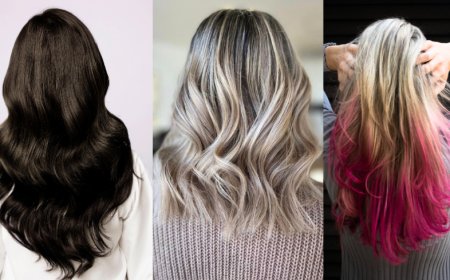
Want Longer, Thicker Hair Fast? Discover the Power of Hair Extensions
Discover the ultimate guide to hair extensions—learn their benefits, types, and care tips to achieve longer, fuller, and healthier-looking hair instantly.
Every morning, you look in the mirror wishing for longer, fuller hair—without the wait. Enter hair extensions: a beauty game-changer that lets you transform your look instantly. As more people juggle busy lives, rising grooming standards, and style trends, hair extensions offer a smart solution. In this guide we’ll break down the benefits of hair extensions, show you how they can elevate your style and confidence today, and walk through practical steps to get started.
Benefits of Hair Extensions
Here are some of the key advantages of opting for hair extensions—and how each benefit can make a real difference in your everyday styling experience.
1. Instant Length and Volume
One of the most compelling benefits of hair extensions is the immediate addition of length and volume. Many people who struggle with slow hair growth or fine hair use extensions to achieve the look of thick, long hair in just one appointment. According to industry research, approximately 70% of individuals who opt for hair extensions report increased confidence and satisfaction with their appearance. This means you don’t have to wait months or years to grow out your hair naturally—extensions give you a fast lane to fuller styles.
2. Styling Flexibility and Trend-Ready Looks
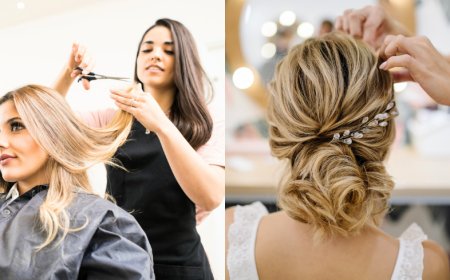
Hair extensions open up styling opportunities you might not otherwise have—whether you're going for cascading waves, voluminous curls, sleek straight locks, or a dramatic up-do. As noted in a specialist article, extensions allow you to experiment with different textures, colors and styles without permanently altering your natural hair. You might also tie this into your other grooming treatments—if you’ve recently had a haircut and read “Feel amazing after a haircut? Here’s the science behind it” on our site, you know how impactful a fresh look can be.
3. Confidence Boost & Covering Problem Areas
Extensions are not just about aesthetics—they also help boost confidence. When you see thicker hair or longer locks, you feel more put-together. They’re especially useful for covering thinning areas, correcting a bad haircut, or handling hair damage. According to one salon blog: “Hair extensions are a subtle yet effective way to feel like yourself again while your hair recovers.” If you’ve struggled with frizz, as in our post “Tired of frizz? Discover the salon secrets to strong, healthy hair”, you’ll appreciate how extensions can complement efforts to rebuild healthy hair.
4. Time-Saving & Maintenance Benefits
Growing long hair naturally is time-intensive. Hair extensions save you both the waiting time and the daily styling grind. Many extension methods require less daily styling effort—less heat, fewer products, and quicker routines. So, if you’re pressed for time in the morning but still want a salon-worthy finish, extensions are a smart investment.
5. Protective Styling & Hair Health Support
When used correctly, hair extensions can act as a protective style—allowing your natural hair to rest, grow and heal from damage, while the extensions take on styling wear-and-tear. One blog mentions that extensions “cover damaged areas, giving natural hair time to rest.” Of course, you’ll want to ensure the method is appropriate for your hair type and is professionally installed to avoid undue stress on your roots.
Practical Steps: How to Choose & Care for Hair Extensions
Let’s move into action mode: how you can choose the right extensions, get them installed and maintain them so you maximise those benefits.
Step 1: Assess Your Hair Goals & Natural Hair Condition
Decide why you want extensions: Is it for length, volume, color experimentation, or covering thinning?
Check your natural hair: texture, thickness, condition and health. If your hair is very fine or weak, certain methods may not be suitable—poor installation can lead to stress or hair loss (e.g., traction alopecia) .
Set a budget and timeframe: Are you going for a temporary style for an event, or a several-month change? Some methods are more long-term and investment-heavy.
Step 2: Choose Extension Type & Method
Familiarise yourself with extension methods: clip-in (temporary), tape-in, sew-in, fusion/keratin bonds, micro-links. Each has its pros, cons and maintenance levels.
For fine hair or minimal damage, methods like micro-links or keratin bonds can be ideal because they allow more seamless placement.
Consult a trusted stylist: they will assess your hair and recommend type, weight, colour match and installation spacing. A professional will also help ensure the extensions blend naturally with your own hair.
Match the hair quality: Choose human hair or high-quality synthetic depending on your budget and desired texture. Extensions that match your natural hair’s curl/texture row will look better and feel more natural.
Step 3: Installation & First Wear
Book with an experienced technician. A good installation makes a big difference in comfort, appearance and longevity.
Ensure proper blending and sectioning: the extensions should align with your hair’s pattern and not sit awkwardly.
After installation, review the stylist’s after-care instructions: many types need an adjustment (“move-up”) after 6-8 weeks for certain methods.
Step 4: After-Care & Maintenance
Use gentle, sulfate-free shampoos and conditioners; avoid harsh treatments near bonds or tape wefts.
Avoid heavy oils or conditioners at the root/bond area; these can loosen tape or cause slippage in some methods.
Brush daily, ideally twice, with a suitable extension-safe brush; start at the tips and work upward to avoid pulling.
Sleep in a loose braid or ponytail to minimise tangling and stress on attachments.
Schedule regular maintenance check-ups: depending on the method, you may need to revisit the salon for tightening or re-installation.
Pay attention to your natural hair health: even though you’re wearing extensions, your scalp and hair underneath should be cleaned and nourished. If you’re also treating frizz or damage (as referenced in our article “Tired of frizz? Discover the salon secrets to strong, healthy hair”), using extensions is complementary—not replacing good hair care.
Step 5: Removal or Transition
When it’s time to remove or change your extensions, do so professionally. Improper removal can cause breakage or hair loss.
Consider gradually transitioning: if you used extensions to cover a phase (e.g., growing out a bad cut or recovering from damage), plan for how you’ll style your natural hair afterward.
Document what worked and what didn’t—style, method, maintenance—so you’re ready for future decisions.
Why Professional Installation Matters
Any benefit you aim for (length, volume, protective styling) is only realised if the extensions are installed and maintained properly. According to dermatological commentary, poor extension application—especially heavy wefts on weak hair—can lead to issues like tension alopecia. So invest in a reputable salon, follow after-care guidance closely and treat your natural hair underneath with the same respect you would any premium treatment.
Hair extensions offer a powerful combination of aesthetic transformation and practical styling benefits. From giving you length and volume in a single session, to boosting confidence, speeding up your hair routine and protecting hair in vulnerable phases—they’re a smart choice for many. If you’re curious to learn more about how you feel after a haircut and the science underpinning that uplift, check out our post “Feel amazing after a haircut? Here’s the science behind it”. Ready to transform your hair?
Book a consultation with a trusted stylist to discuss extension types, maintenance and how they can fit your lifestyle.
Subscribe to our blog for more expert hair-care tips, and leave a comment—we’d love to hear about your extension journey or any questions you have!
Gurmeet Sharma
Gurmeet Sharma is the Chief operating officer of Brain Drain Consultants Pvt. Ltd | He is leading the Immigration news portals for imminews.com.au and imminews.ca.