



































How Often Should You Trim Your Beard? Barbers Finally Reveal the Truth
Wondering how often you should trim your beard? Experts explain the ideal beard trimming frequency, benefits, and tips for healthy, stylish growth.
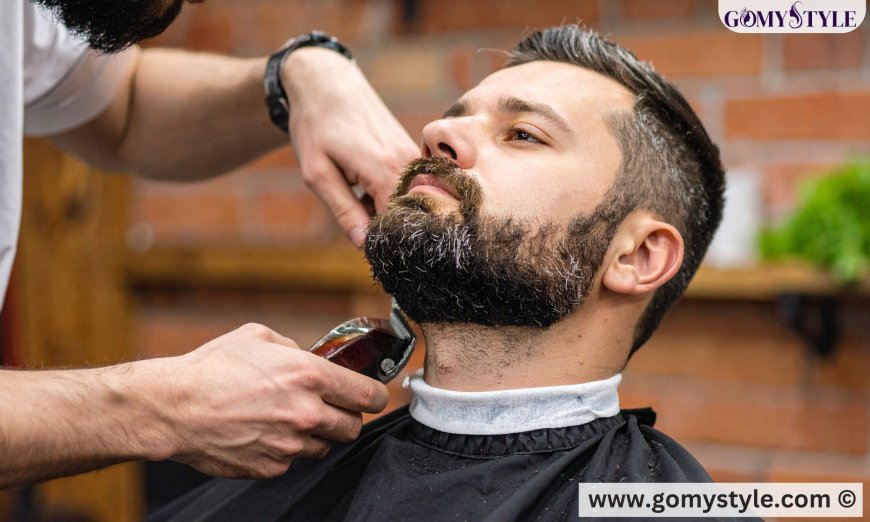
Growing a beard is easy—maintaining it properly is where most men get confused. One of the most common grooming questions barbers hear is how often should you really trim your beard? Beard trimming isn’t just about keeping things neat; it plays a crucial role in beard health, shape, and overall appearance. With evolving beard styles and modern grooming standards, understanding the right trimming frequency has become more important than ever. Whether you’re growing a short stubble or a full, thick beard, knowing when and how often to trim can make the difference between a rugged, stylish look and an unkempt one.
Significance of Trimming Your Beard Regularly
Regular beard trimming is often misunderstood as something that slows growth or makes your beard thinner. In reality, trimming is one of the most important habits for achieving a healthier, fuller, and better-looking beard. Below are the key reasons why trimming your beard at the right intervals truly matters.
1. Promotes Healthier Beard Growth
While trimming doesn’t directly make hair grow faster, it plays a significant role in maintaining healthy growth. Beard hair is exposed daily to pollution, food particles, sweat, and styling products. Over time, this leads to split ends and weak strands. Trimming removes damaged hair, allowing stronger, healthier strands to grow in their place.
According to Healthline, regular trimming helps prevent split ends from traveling up the hair shaft, which can otherwise cause breakage and uneven growth. This means your beard looks fuller and healthier over time, even if the growth rate remains the same. Well-maintained hair also absorbs beard oil and moisturizer more effectively, improving texture and shine.
For advanced grooming advice, check out these barber-approved beard grooming hacks that can dramatically transform your look: https://gomystyle.com/blogs/barber-approved-beard-grooming-hacks-that-will-transform-your-look .


2. Maintains Shape and Style Consistency
One of the biggest reasons beards look messy isn’t growth—it’s uneven growth. Different areas of the beard grow at different speeds, which can quickly ruin your intended shape. Regular trimming ensures symmetry and keeps your beard aligned with your chosen style.
Whether you prefer a boxed beard, faded beard, or a natural full beard, trimming helps define clean lines around the cheeks, neckline, and jaw. Professional barbers often recommend light trims every 2–4 weeks to maintain structure without sacrificing length. This consistency is what separates a polished beard from a neglected one.
The American Academy of Dermatology emphasizes that maintaining hair structure through trimming also reduces tangling and pulling, which can damage hair follicles over time.
3. Prevents Beard Itch and Skin Irritation
Beard itch is one of the most common reasons men give up on growing a beard. However, the itch often isn’t caused by growth—it’s caused by poor grooming habits. When beard hair grows unevenly or becomes dry and brittle, it irritates the skin underneath.
Regular trimming removes rough, uneven ends that rub against the skin. This improves airflow to the skin, reduces trapped sweat, and helps beard care products reach the skin more effectively. Trimming also makes exfoliation easier, which is essential for preventing ingrown hairs and beard dandruff.


Dermatology experts note that healthier skin leads to stronger hair follicles, making trimming an indirect but essential step in long-term beard health.
4. Enhances Overall Facial Appearance
Your beard frames your face, much like a haircut frames your head. An overgrown or uneven beard can distort facial proportions, making your face appear wider, longer, or unbalanced. Strategic trimming enhances your natural features, sharpens jawlines, and complements your hairstyle.
Modern grooming trends focus on intentional styling rather than uncontrolled growth. Even men aiming for a rugged look benefit from subtle trims that keep the beard purposeful rather than accidental. Regular trims also help your beard blend seamlessly with fades, tapers, or hairstyles.
A well-trimmed beard sends a clear message of self-care and confidence—something that matters both socially and professionally.
5. Supports Long-Term Beard Goals
Many men stop trimming because they believe it will delay their beard growth goals. Ironically, skipping trims often leads to breakage, uneven patches, and frustration. Regular trimming supports long-term beard growth by maintaining strong ends and encouraging uniform development.
Barbers recommend viewing trimming as maintenance rather than reduction. Removing a few millimeters every few weeks preserves length while improving density and shape. This approach is especially important for men growing beards for the first time or transitioning to longer styles.
Practical Steps: How Often Should You Trim Your Beard?
The ideal beard trimming frequency depends on your beard length, style, and growth pattern. Below is a step-by-step guide to help you determine what works best for you.
Step 1: Identify Your Beard Length
-
Stubble (0–3 mm): Trim every 2–4 days to maintain consistency.
-
Short Beard (4–10 mm): Trim once a week to keep edges sharp.
-
Medium Beard (1–3 inches): Trim every 2–3 weeks for shape maintenance.
-
Long Beard (3+ inches): Trim every 4–6 weeks to remove split ends and maintain form.
Understanding your beard length helps avoid over-trimming or neglecting necessary maintenance.
Step 2: Decide Your Beard Style
If you’re following a defined style—such as a corporate beard, boxed beard, or faded beard—you’ll need more frequent trims. Style-driven beards benefit from light, consistent maintenance rather than heavy trimming sessions.
For inspiration, explore these top beard styles every man must try in 2025 to find a look that matches your face shape and lifestyle: https://gomystyle.com/blogs/top-10-beard-styles-every-man-must-try-in-2025 .
Step 3: Use the Right Tools
Quality tools make trimming safer and more effective. Use a beard trimmer with adjustable guards for length control and sharp scissors for detailing. Avoid dull blades, as they cause hair pulling and split ends. Experts from Healthline recommend cleaning and oiling your trimmer regularly to prevent bacterial buildup and skin irritation.
Step 4: Trim After Washing and Drying
Always trim your beard when it’s clean and completely dry. Wet hair appears longer, which can lead to over-trimming. Washing beforehand removes dirt and product buildup, giving you a more accurate view of your beard’s natural shape.
Step 5: Maintain Between Trims
Even if you’re not trimming frequently, daily care matters. Use beard oil to hydrate hair and skin, brush regularly to train hair direction, and clean up stray hairs around the neckline between trims. These habits reduce the need for aggressive trimming sessions.
So, how often should you really trim your beard? The answer depends on your beard length, style, and grooming goals—but one thing is clear: regular trimming is essential for healthy growth, comfort, and style. Trimming doesn’t slow your progress; it supports it by keeping your beard strong, symmetrical, and intentional.
If you’re serious about elevating your grooming routine, explore more expert-backed insights on beard styles, maintenance, and trends. Don’t miss this guide on top beard styles every man must try in 2025 to find your next signature look.
Subscribe to our blog, explore more grooming guides on GoMyStyle, and leave a comment below—how often do you trim your beard?
What's Your Reaction?