










Hair Color Fading Too Fast? These Haircare Tips Will Save Your Shade
Discover expert haircare tips for color-treated hair to protect shine, prevent fading, and maintain healthy, vibrant color for longer.
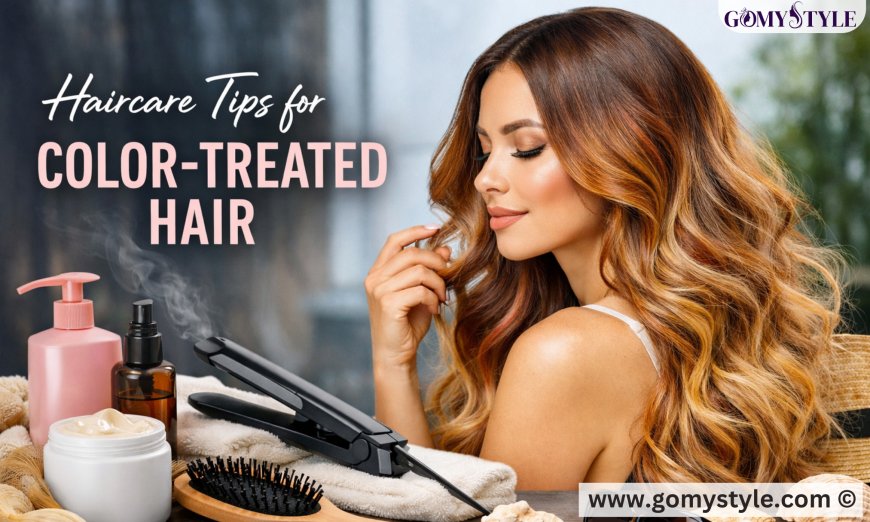
Coloring your hair is one of the most effective ways to refresh your look, express your personality, and boost confidence. However, once hair is color-treated, it requires special care to maintain its vibrancy and health. Without the right routine, hair color can fade quickly, leaving strands dull, dry, and damaged. That’s why understanding haircare tips for color-treated hair is essential in today’s beauty routines. With proper maintenance, you can extend the life of your color, improve hair strength, and enjoy long-lasting shine. This guide explores why caring for colored hair matters and how you can protect your investment with expert-backed advice.
Significance of Proper Haircare for Color-Treated Hair
Color-treated hair undergoes chemical changes that affect its structure, moisture balance, and strength. Proper care isn’t just about aesthetics—it’s about maintaining hair health over time.
1. Prevents Premature Color Fading
One of the biggest concerns after coloring is how quickly the shade fades. Chemical coloring opens the hair cuticle to deposit pigment, making it more vulnerable to environmental damage. Exposure to sunlight, frequent washing, and heat styling can strip color molecules from the hair shaft.
Using color-safe products and following a protective routine significantly slows fading. According to the American Academy of Dermatology, gentle cleansing and UV protection play a key role in maintaining hair color and preventing damage to the cuticle structure. This is especially important for lighter shades like blonde, balayage, and pastel tones, which fade faster than darker colors.
If you’re exploring modern coloring techniques, understanding how they interact with hair structure is essential. You can learn more about evolving trends in hair coloring in this detailed guide on innovative hair coloring techniques and future trends: The Future of Hair Coloring: Innovative Techniques & Trends https://gomystyle.com/blogs/the-future-of-hair-coloring-innovative-techniques-trends .


2. Maintains Hair Strength and Elasticity
Hair coloring can weaken protein bonds within the hair shaft, leading to breakage, split ends, and rough texture. Without targeted care, colored hair becomes more prone to damage during brushing or styling.
Deep conditioning treatments and protein-rich formulas help rebuild hair strength and elasticity. Experts at Healthline explain that maintaining protein-moisture balance is crucial for chemically treated hair, as too little moisture leads to brittleness while too much can cause limp strands.
By prioritizing strengthening treatments, you ensure your color-treated hair stays resilient, manageable, and smooth—without sacrificing volume or movement.
3. Preserves Shine and Smooth Texture
Healthy hair reflects light evenly, creating a glossy, vibrant appearance. When hair color fades or the cuticle becomes rough, shine diminishes, making hair look dry and lifeless.
Color-treated hair needs cuticle-sealing products like leave-in conditioners, hair oils, and serums to lock in moisture and smooth the hair surface. Regular care restores softness and enhances the depth and richness of your color, especially for highlights and ombré styles.


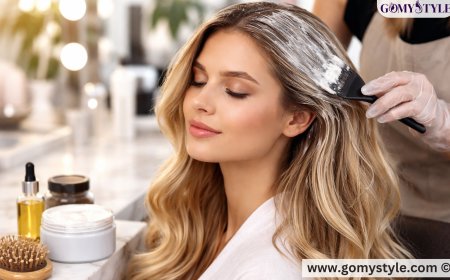
If you’re new to color techniques such as balayage, highlights, or ombré, understanding how they affect hair maintenance is important. This comprehensive internal guide explains each method and how to care for them effectively: Hair Coloring Guide: Balayage, Highlights & Ombré Explained
https://gomystyle.com/blogs/hair-coloring-guide-balayage-highlights-ombreexplained .
4. Protects Hair from Heat and Environmental Damage
Heat styling tools like straighteners, curling irons, and blow dryers can accelerate color fading and weaken already treated hair. Environmental factors such as pollution and UV rays also contribute to dryness and dullness.
Dermatologists and hair experts consistently recommend heat protectants and UV-shielding products for color-treated hair. According to Cleveland Clinic, heat protection reduces structural damage and helps retain moisture, making it a non-negotiable step in any colored-hair routine.
Protective habits ensure your hair remains vibrant and strong despite daily exposure to styling and environmental stressors.
Practical Haircare Tips for Color-Treated Hair (Step-by-Step Guide)
Maintaining colored hair doesn’t have to be complicated. Follow these practical steps to keep your color fresh and hair healthy.
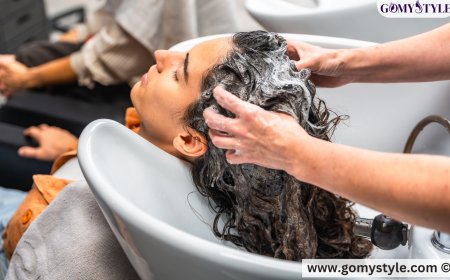
Step 1: Use a Sulfate-Free, Color-Safe Shampoo
Traditional shampoos with sulfates strip natural oils and color pigments from hair. Switching to a sulfate-free shampoo designed for color-treated hair helps retain moisture and prevent fading.
Limit washing to two or three times a week when possible. Less frequent washing allows color pigments to stay locked in longer while preserving your hair’s natural oils.
Step 2: Condition After Every Wash
Conditioner is essential for restoring hydration and smoothing the cuticle. Always apply conditioner from mid-lengths to ends, where hair is most vulnerable.
For best results, use a conditioner specifically formulated for colored hair. These products often contain antioxidants, UV filters, and nourishing oils that enhance color longevity and softness.
Step 3: Incorporate Weekly Deep Conditioning or Hair Masks
Deep conditioning treatments replenish lost moisture and repair damage caused by coloring. Look for masks with keratin, argan oil, shea butter, or amino acids.
The American Academy of Dermatology recommends weekly conditioning treatments for chemically processed hair to improve texture and reduce breakage. This step is especially beneficial for bleached or lightened hair.
Step 4: Protect Hair from Heat Styling
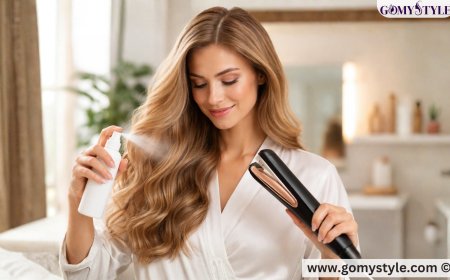
Before using heat tools, apply a heat protectant spray or serum. These products create a protective barrier that minimizes moisture loss and color damage.
Try to limit heat styling whenever possible. Air-drying or using low-heat settings can significantly extend the life of your hair color while improving overall hair health.
Step 5: Shield Hair from Sun and Environmental Stressors
UV rays can fade hair color just like they fade fabric. Wearing a hat or using hair products with UV protection helps maintain vibrancy, especially during summer months.
Experts from Healthline highlight that UV exposure weakens the hair shaft, making sun protection an often overlooked but crucial step in colored-hair care.
Step 6: Schedule Regular Trims and Gloss Treatments
Split ends travel up the hair shaft and make color appear uneven. Regular trims every 6–8 weeks keep hair looking fresh and polished.
Gloss or toner treatments between coloring sessions help revive faded tones, enhance shine, and neutralize unwanted brassiness without damaging hair further.
Caring for color-treated hair is about consistency, protection, and using the right products. By following expert-recommended haircare tips for color-treated hair, you can prevent fading, strengthen strands, and maintain salon-fresh vibrancy for weeks longer. From gentle cleansing to deep conditioning and heat protection, every step plays a vital role in preserving both color and hair health.
If you’re planning your next color transformation or want to better understand which technique suits your lifestyle, explore this in-depth guide on balayage, highlights, and ombré hair coloring techniques: https://gomystyle.com/blogs/hair-coloring-guide-balayage-highlights-ombreexplained
Loved these tips? Subscribe to our blog for expert haircare advice, explore more styling trends on GoMyStyle, or leave a comment below with your favorite color-care routine!
What's Your Reaction?